
The Trauma-Informed Care Toolkit
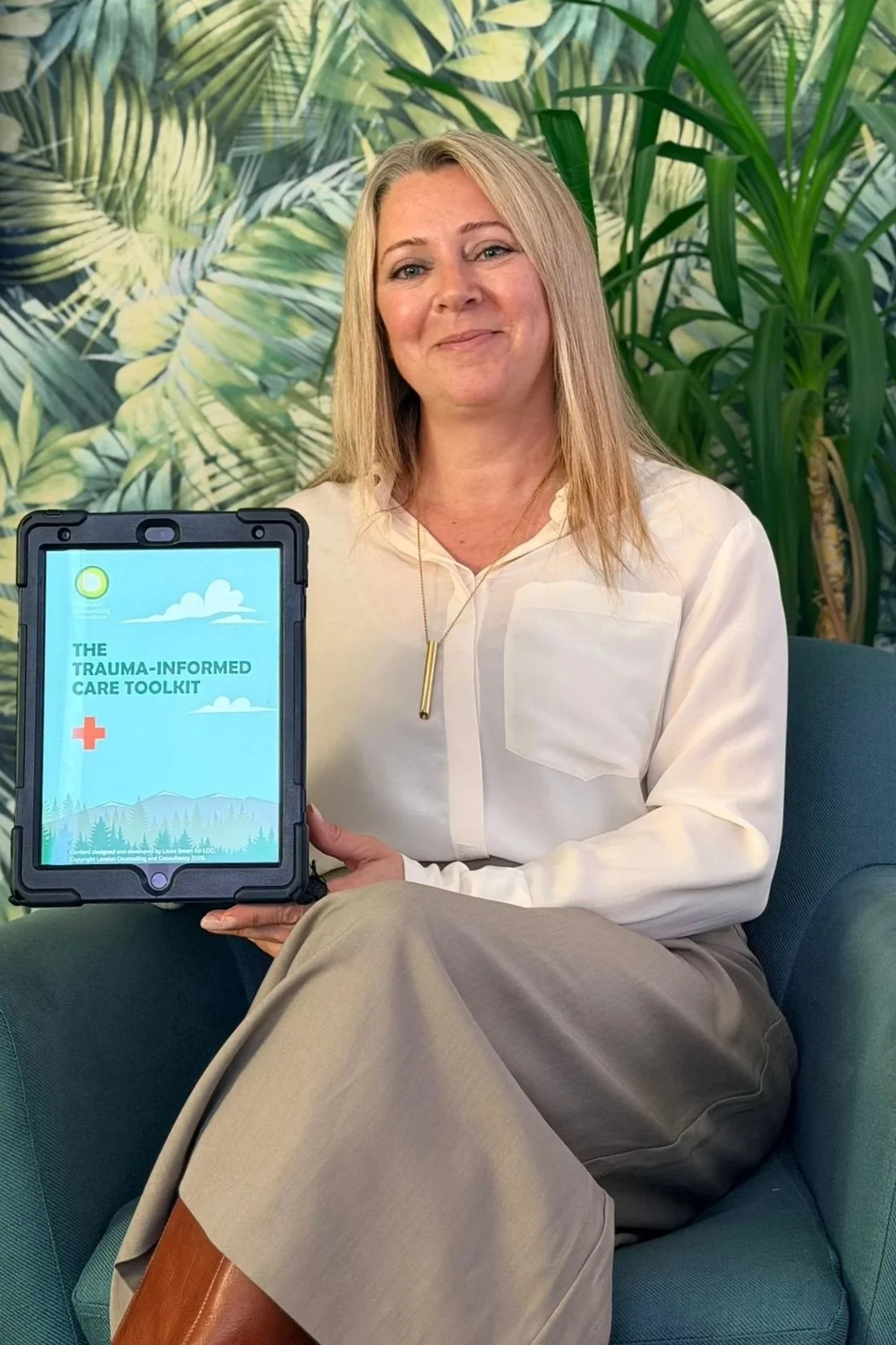
The Trauma-Informed Care Toolkit is an essential resource for organisations committed to supporting individuals affected by trauma. Designed for all staff, both clinical and non-clinical, it equips everyone from senior leadership to volunteers with the knowledge to foster safety, trust, and sensitivity in their interactions with clients.
The toolkit demystifies trauma, covering its types, symptoms, and psychological/physiological impacts, including the nervous system, neurobiology, Polyvagal Theory and the link between trauma and addiction. Readers will learn to recognise trauma responses, respond effectively to disclosures, and tailor care to avoid retraumatisation. Hands-on guidance in Trauma-Informed Practice helps staff to recognise when to offer direct support or refer onward, while also acknowledging the importance of support for staff and their own resilience. With implementation guidelines and organisational checklists, this toolkit helps embed trauma-informed principles and policies across all levels of an organisation, preventing retraumatisation and enhancing service delivery.
Whether you’re a therapist, counsellor, coach, recovery worker, support worker, peer supporter, key worker, housing officer, prison officer, health care worker, manager or volunteer, this resource empowers you to make a meaningful difference in the lives of trauma survivors and their families.
“Trauma is not what happens to us, but what happens inside of us as a result of what happened to us.” Gabor Mate
Purchase it here: Kindle version: https://www.amazon.co.uk/dp/B0GRK58DDP e-book version: London Counselling and Consultancy Shop
Introducing the Trauma-Informed Care Toolkit Cards
Practical prompts. Compassionate conversations. Trauma-informed care in action.
The Trauma-Informed Care Toolkit Cards are a practical, accessible companion to the Trauma-Informed Care Toolkit, designed to help individuals and organisations put trauma-informed principles into everyday practice. Whether you work in private practice or a therapy centre, health and social care, mental health, addiction and recovery services, housing, education, criminal justice or community support, these cards offer a valuable resource for developing greater awareness, confidence and sensitivity when working with people affected by trauma.
Grounded in the principles of safety, trust, choice, collaboration, empowerment and understanding, the cards encourage reflection, support learning and help translate knowledge into meaningful action. They can be used by therapists, mental health teams, clinical and non-clinical staff, coaches, managers, volunteers, peer supporters and practitioners at every level, both individually and in team discussions, supervision sessions, training and reflective practice.
Designed to complement the Trauma-Informed Care Toolkit, the cards provide an easy-to-use way to revisit key concepts, explore practical approaches and strengthen trauma-informed responses in everyday interactions. They encourage practitioners to recognise the impact of trauma, respond with compassion, consider the needs and experiences of each individual, and reduce the risk of retraumatisation.
More than a learning resource, these cards are an invitation to pause, reflect and respond differently. They support the development of safer, more compassionate environments where people feel heard, respected and valued, while encouraging practitioners and organisations to continually reflect on their own practice. By bringing trauma-informed principles into everyday conversations, decisions and actions, the Trauma-Informed Care Toolkit Cards can help build a culture of understanding, dignity and connection — making trauma-informed care not just something we know, but something we do.
There are currently two decks available at present, with more to follow. They are:
Trauma and the Nervous System Card Deck.
Explore the fascinating connection between trauma, the brain and the body with the Trauma and the Nervous System Card Deck. This engaging collection of 62 informative cards is designed to deepen understanding of how the nervous system works and how trauma and stress can influence our emotions, behaviours, physical responses and sense of safety. Covering essential topics including the autonomic nervous system, the vagus nerve, the autonomic ladder, fight-or-flight, freeze, rest and digest, the window of tolerance, neuroception, interoception, hyperarousal and hypoarousal, the deck makes complex concepts accessible and relevant to everyday practice.
More than an educational resource, these cards combine valuable information with reflective questions and practical exercises to help develop greater self-awareness and understanding. Discover grounding strategies, breathing techniques and mindfulness exercises that can support emotional regulation, encourage connection with the body and help individuals explore ways to manage stress. Whether used for personal learning, one-to-one sessions, group discussions, supervision or professional training, the cards provide a flexible and engaging way to turn knowledge into practice.
Ideal for therapists, counsellors, coaches, recovery workers, support workers, healthcare professionals, peer supporters, trainers and anyone interested in trauma-informed care, this deck is a valuable addition to any professional toolkit. Use it to enhance learning, encourage meaningful conversations and develop a more compassionate understanding of trauma responses. With 62 practical, insightful cards, deepen your understanding of the nervous system and take another step towards more informed, sensitive and trauma-responsive support.
To purchase the trauma-informed care toolkit cards, Trauma and the Nervous System, click here
Trauma and the Brain Card Deck.
Deepen your understanding of how trauma affects the brain with the Trauma and the Brain Card Deck, a collection of 62 informative and engaging cards exploring the neuroscience behind traumatic experiences. Covering neural anatomy, neurobiology, key brain regions, modern theories, neuroplasticity, dissociation, hypervigilance and much more, this deck makes complex scientific concepts accessible and relevant to trauma-informed practice. Discover how trauma can influence brain functioning, emotional responses, memory, behaviour and our perception of safety, building a stronger foundation for understanding the experiences of trauma survivors.
Alongside the educational content, the deck includes 16 thought-provoking questions designed to enhance learning, encourage reflection and support meaningful conversations. The cards can be used in one-to-one client sessions, group work, clinical supervision, training sessions and psychoeducation workshops, making them a versatile resource for both individual learning and professional development. They offer an engaging way to explore the science of trauma, consolidate knowledge and connect theory with real-world practice.
Created by Laura Smart at London Counselling and Consultancy, this deck is ideal for clinicians, therapists, counsellors, support workers, educators, coaches and practitioners, as well as anyone interested in understanding trauma and its effects on the brain. Whether you are expanding your professional knowledge, supporting clients or delivering training, these cards provide a valuable resource to encourage curiosity, deepen insight and strengthen trauma-informed understanding. Explore the neuroscience of trauma and bring learning to life with this practical, accessible and professionally relevant card deck.
“I am a nurse at an addiction treatment centre. I attended one of the trauma sessions which Laura facilitated. I am now more trauma-informed and know how to deal with it more effectively. I also purchased the trauma-informed care toolkit cards about trauma in the brain, which are such a help to me in my role and in understanding the brain.
Julie - Substance Misuse Nurse
To purchase the trauma-informed care toolkit cards: Trauma and the Brain, click here